
Tobacco sheet, also known as reconstituted tobacco, is produced using raw materials such as tobacco fragments, tobacco dust, and tobacco stems.
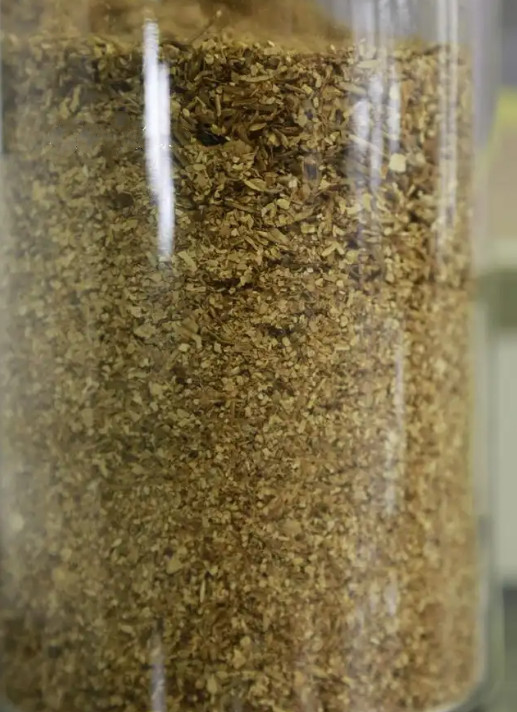
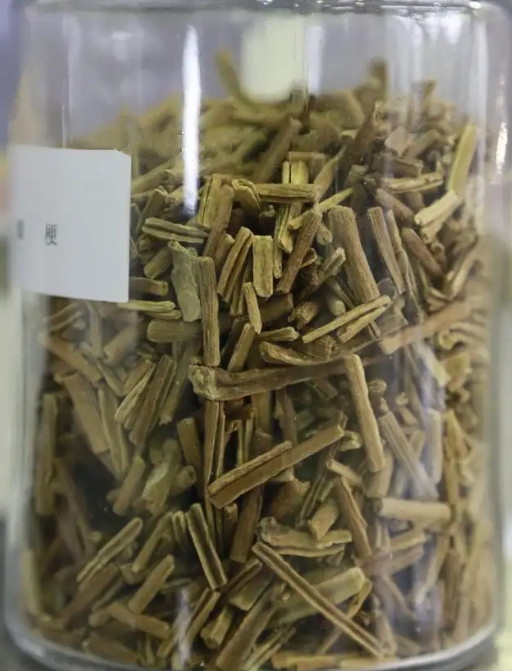
The production of tobacco sheet began in the 1950s with the mechanization of the cigar industry in the United States. At that time, to ensure that the burning of the cigar wrapper did not affect the cigar’s own quality, American cigar manufacturers developed tobacco sheet for the first time. Subsequently, cigarette industrial enterprises began using tobacco sheet in regular cigarettes as a method to recycle leftover materials like tobacco dust and stems.
From the 1940s to the 1950s, the production technology for tobacco sheet developed rapidly. Since its large-scale application in the tobacco industry in the 1960s, the global usage of tobacco sheet has increased year by year.
This is closely related to the trend towards low-tar cigarettes and the continuous improvement in the comprehensive utilization rate of tobacco raw materials.
The primary manufacturing methods for tobacco sheet are the roller method, the slurry method, and the papermaking method.
The roller method involves pulverizing tobacco raw materials, mixing them with natural fibers, adding a solution containing adhesives and other additives, blending uniformly, and then processing through rolling and drying to produce the finished sheet.
Tobacco sheet produced by the roller method requires relatively simple equipment, less energy consumption, and lower costs, making it suitable for small to medium-scale production. However, the resulting sheet has poor strength, high density, low filling power, and high tar content.
The slurry method involves pulverizing tobacco raw materials, dispersing them uniformly in water, adding adhesives and other additives, and then spreading the uniform slurry onto a rotating metal belt for drying and peeling to form the tobacco sheet. Tobacco sheet produced by the slurry method has strength, density, filling power, tar content, and production costs that fall between those of the papermaking method and the roller method.
Domestically, tobacco sheet was previously mostly produced using the roller and slurry methods. As these two methods primarily rely on physical processes and cannot regulate the internal chemical composition of the sheet, they struggled to adequately meet the requirements of cigarette formulations. Consequently, in recent years, these two methods have gradually been replaced by the papermaking method.
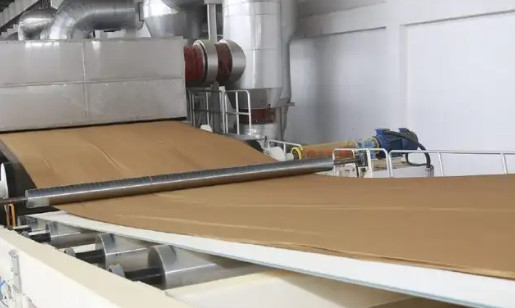
The production process of papermaking method tobacco sheet utilizes the physical characteristics of tobacco raw materials. It involves formulation, extraction, and solid-liquid separation.
The soluble liquid is further evaporated and concentrated to create a coating liquid by extracting tobacco components. The insoluble tobacco raw materials are defibrated and ground into pulp. Using papermaking technology, this pulp is dewatered, dried, and formed into a sheet base. Finally, the formulated coating liquid is evenly applied onto the sheet base. After drying and shredding, tobacco sheet is produced according to technical specifications.
To some extent, producing tobacco sheet via the papermaking method allows for the modification of chemical components within the tobacco during processing. It can effectively remove harmful substances from tobacco leaves and allows for reasonable adjustment and control of the chemical composition, thereby reducing the tar content in cigarettes.
Simultaneously, it accelerates the burning rate of tobacco and reduces tar release. Tobacco sheet produced by the papermaking method has low density, properties close to those of natural tobacco leaves, and low tar release, enabling the maximum improvement of the intrinsic quality of cigarettes.
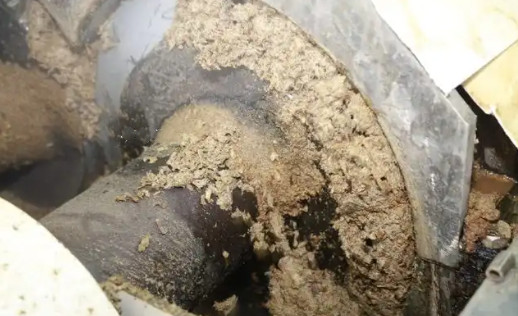
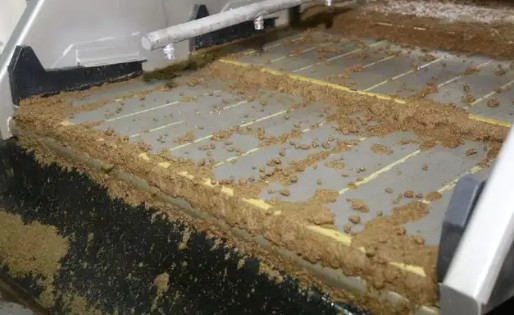
Furthermore, tobacco sheet offers advantages such as ease of transportation and long-term storage. Currently, the technology for processing tobacco sheet using the papermaking method has been widely adopted.
The French company Molins France (now part of the France branch of the American Schweitzer-Mundet International Group) was the world’s first company to use the two-step papermaking process for producing tobacco sheet.
They began producing tobacco sheet in 1965 and now have 50 years of production history. Their process research and development have consistently been at the forefront globally. Their products lead internationally in both physical indicators and intrinsic quality, exhibiting significant advantages particularly in terms of product oil smoothness, stability, aroma, and breakage.
Using raw materials like tobacco fragments, tobacco dust, and tobacco stems to process and reconstitute tobacco leaf via the papermaking method improves the utilization rate of tobacco raw materials.
Relevant data indicates that using 10,000 tons of papermaking method tobacco sheet in cigarette production is equivalent to saving 70,000 mu (approximately 4,667 hectares) of land required for growing tobacco leaves.
Tobacco sheet technology not only benefits the development of a circular economy but also helps conserve arable land resources, being both environmentally friendly and economical. The use of papermaking method tobacco sheet can not only improve the leaf group formulation and effectively enhance the intrinsic quality of cigarettes but also effectively reduce tar without affecting the quality and quantity of the cigarette’s aroma, making it a quite effective approach for tar reduction and harm reduction in cigarettes today.
Additionally, papermaking method tobacco sheet is highly malleable, providing a new carrier for flavoring and casing cigarettes and offering significant freedom in cigarette formulation work. It enriches cigarette formulation resources, is suitable for developing various types of cigarette products, and has become one of the important means for formulation innovation.
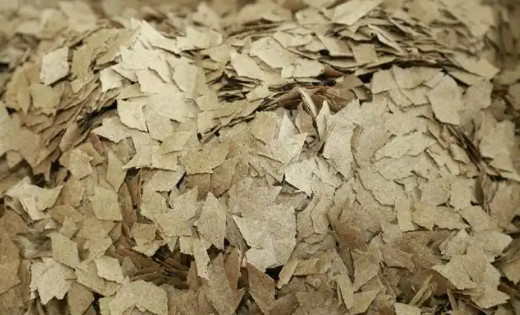
It is worth mentioning that papermaking method tobacco sheet can maximally improve and enhance cigarette product quality as required and increase the usage value of lower-grade tobacco leaves.