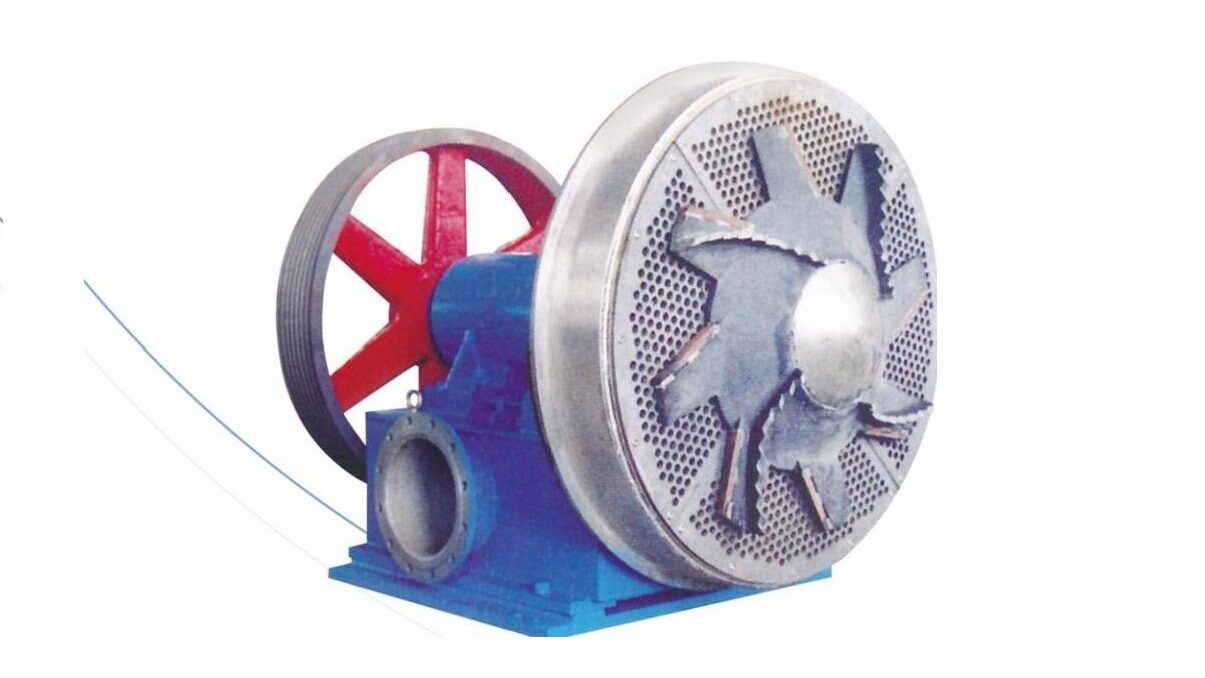
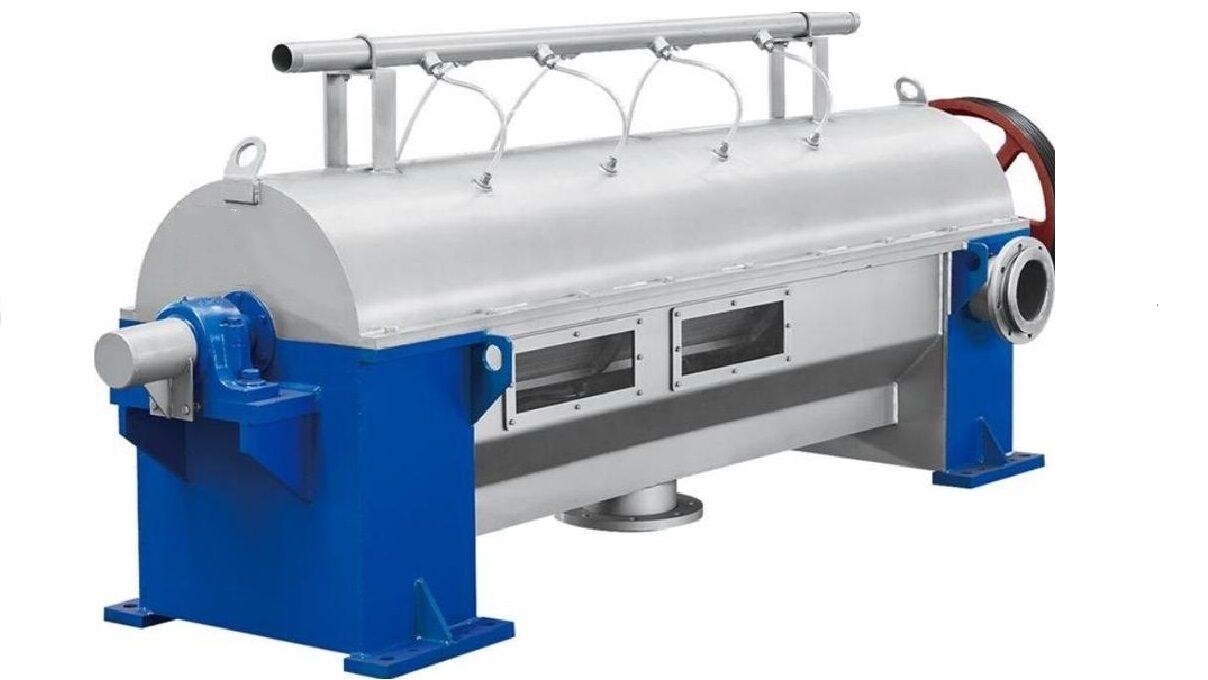
BANNOR supplies paper machine rolls with steel and cast iron body options and a choice of surface coverings and coatings. Our range includes designs for cooling, heating, dewatering, vacuum transfer, calendering, and embossing. Each roll needs to match its machine position, installation dimensions, and operating conditions.
For a new or replacement roll quotation, send your drawing, required dimensions, and operating information. The body construction, working surface, and inspection requirements can then be reviewed for the proposed application.
Roll Dimensions and Specification Requirements
The dimensions below provide a reference for initial inquiries. Available combinations depend on the roll function, body construction, material, and surface treatment. The two maximum dimensions do not represent a confirmed combination for every roll design.
| Item | Reference range or information required |
|---|---|
| Roll diameter | 100–4,750 mm; subject to confirmation for the proposed roll design |
| Working face length | 1,000–8,600 mm; subject to confirmation for the proposed roll design |
| Overall length | Specify separately on the drawing, including shaft ends |
| Journals and mounting dimensions | Provide dimensions and any specified tolerances |
| Operating conditions | State speed, load, temperature, and contact media |
| Working surface | Specify the covering or coating, surface finish, and profile where required |
For an individual paper machine roller, diameter and face length are only part of the specification. Installation details and operating requirements also need to be reviewed before the final configuration is agreed.
Roll Functions and Applications
Paper mill rollers perform different tasks at different machine positions. The following functions help identify the construction and operating details needed for selection.

Internal water or air circulation removes heat
For quotation: Cooling medium, temperatures, flow requirements if specified, and connections

Heat transfer using steam, thermal oil, or electromagnetic induction, depending on the design
For quotation: Heating method, required temperatures, and operating conditions

Vacuum passages and internal sealing structures support water removal
For quotation: Vacuum requirements, working surface, and installation details

Vacuum holds material against the roll surface for transfer to the next stage
For quotation: Material being handled, transfer task, and machine position

Pressure contact works the product surface; chilled cast iron is an option described for this function
For quotation: Material, load, temperature, and required surface finish

A patterned roll surface transfers a pattern under pressure
For quotation: Pattern drawing, contact material, and operating requirements
For paper mill rolls, a mechanical drawing and the machine position help define the required body structure, mounting, and working surface.
Roll Body Materials and Manufacturing Routes
The roll body provides structural support. Its material and construction are selected separately from the working surface covering or coating.
| Specification area | Options described for this range |
|---|---|
| Roll body materials | Steel and cast iron |
| Manufacturing routes | Steel plate welding, casting, and seamless pipe construction, as appropriate to the roll design |
These materials and manufacturing routes are not interchangeable for every application. Please identify any required material grade or construction details on the drawing. For replacement inquiries, include the existing roll information and describe the reason for replacement.


Surface Covering and Coating Options
The working surface needs to suit the contact material, temperature, load, wear conditions, and required finish. Surface options described for this product range include:


For rubber or polyurethane coverings, the material, hardness, covering thickness, and required surface profile need to be considered together. Please provide any requirements for grooves, holes, or other surface features on the drawing so their feasibility can be reviewed.
For material selection and covering requirements, see our rubber coated rollers page. BANNOR can review your covering requirements and operating conditions and recommend a suitable solution.
Inspection Before Delivery
Inspection requirements are agreed for the specific roll design. Relevant checks include:
- Roll diameter and other specified dimensions
- Concentricity
- Surface roughness
- Hardness, where applicable
- Covering or coating thickness, where applicable
Please state any required measurement methods, acceptance values, and inspection records during quotation review. The applicable checks and acceptance criteria should be agreed before ordering.


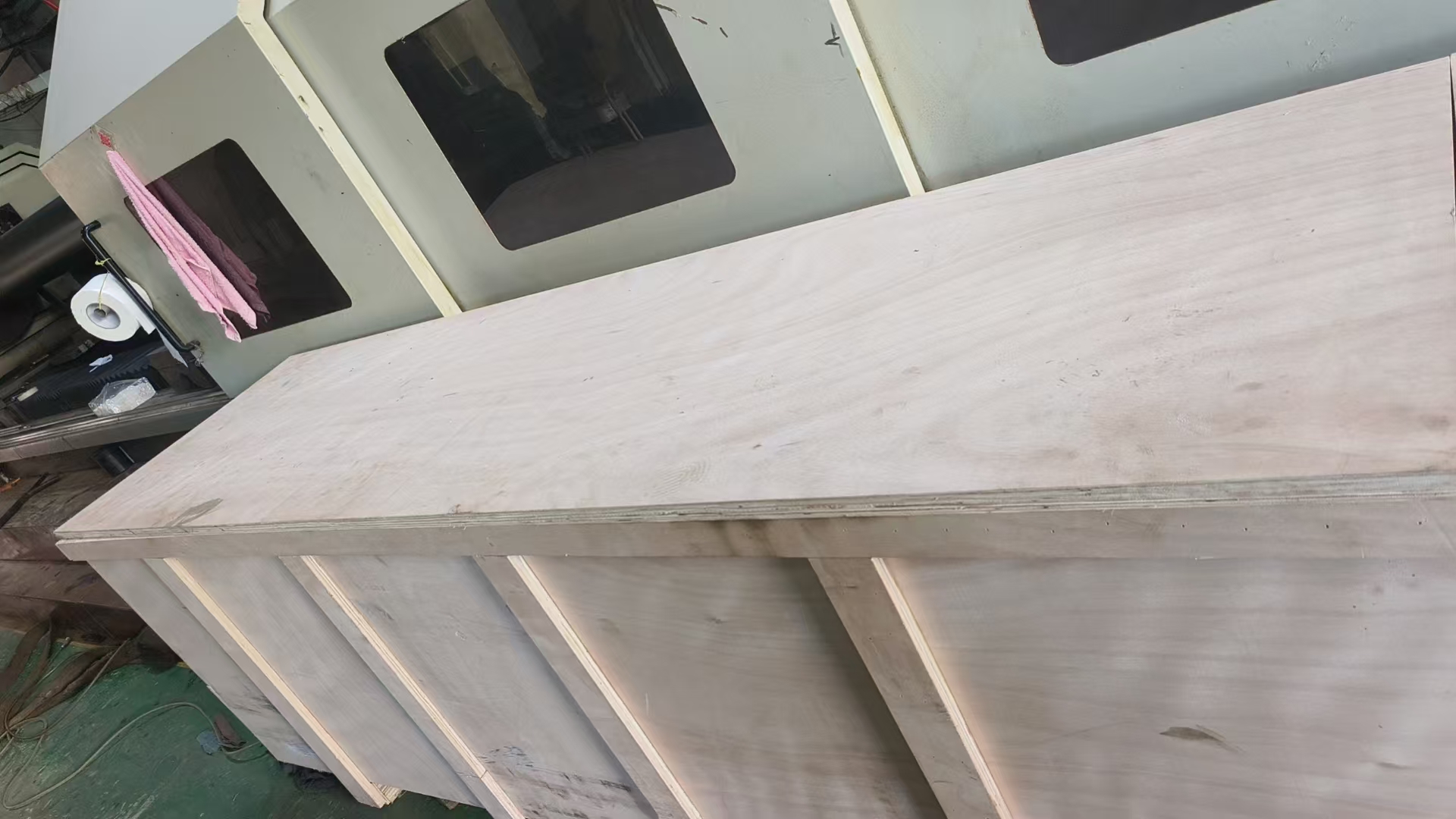
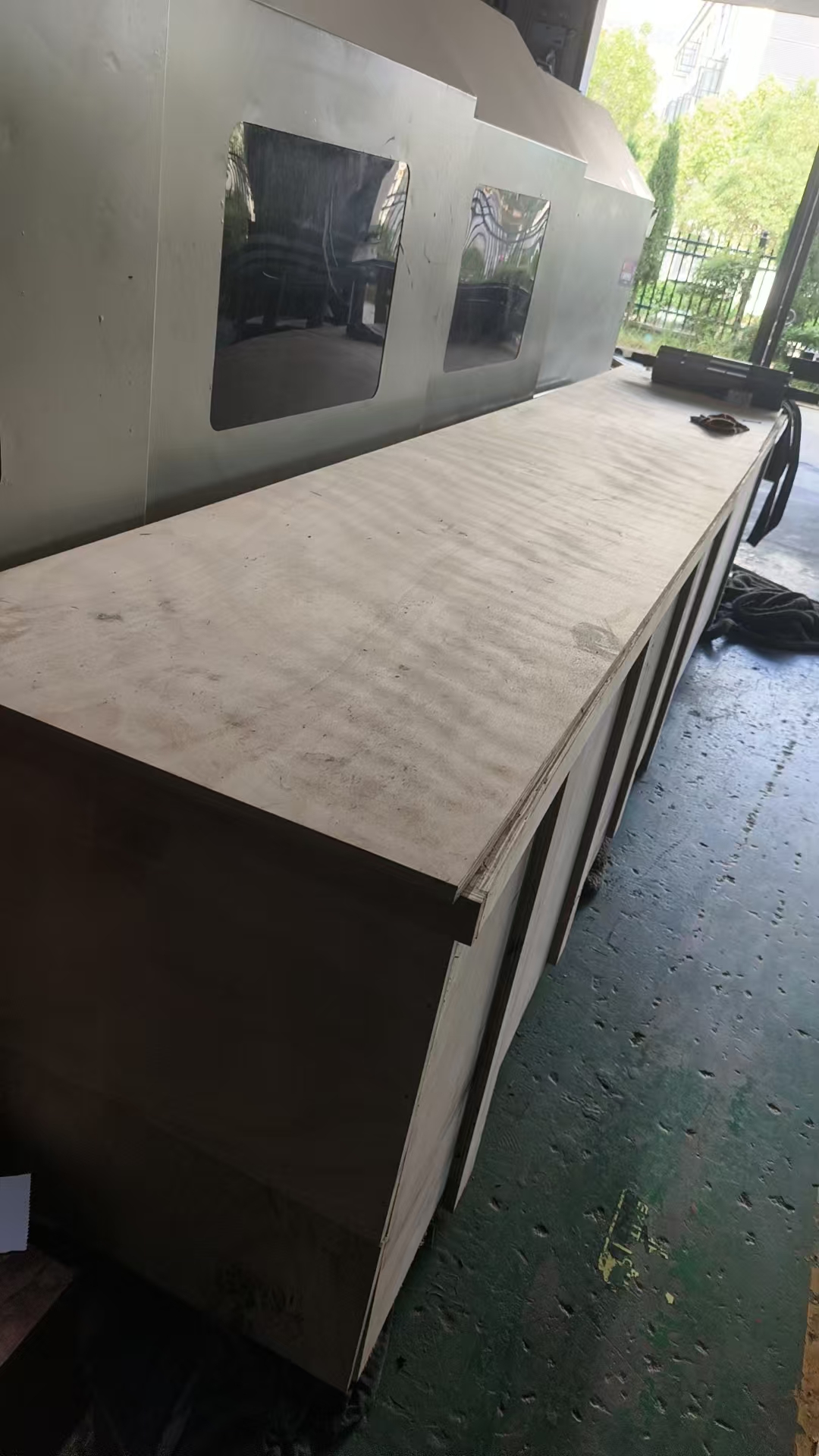
Roll Packaging
Frequently Asked Questions
1. What information is needed for a paper machine roll quotation?
Please provide the roll position and function, a drawing if available, roll diameter, working face length, overall length, and shaft or journal dimensions. Operating speed, load, temperature, contact media, surface requirements, and quantity also help define the quotation.
If some information is unavailable, send the details you have so that the remaining requirements can be identified.
2. How do I select a roll for its position in a paper machine?
Start with the roll’s function, such as cooling, heating, dewatering, vacuum transfer, calendering, or embossing. Selection also needs to account for installation dimensions, operating speed, load, temperature, and contact media.
Roll body construction and surface specifications should be reviewed together for the intended position.
3. What is the difference between the roll body and the surface covering?
The roll body provides structural support, while the surface covering or treatment forms the working surface that contacts the process material.
These are separate specification choices. For example, a steel roll body can have a rubber or polyurethane covering. Both the body construction and working surface should be identified when requesting a quotation.
4. What is the difference between roll face length and overall length?
Face length is the axial length of the working roll surface. Overall length includes the shaft ends and other projecting features.
Please identify both dimensions on the drawing. Face length defines the working surface, while overall length helps confirm how the roll fits into the machine.
5. How is the surface treatment selected for a paper machine roll?
Surface selection depends on the roll’s function, contact materials, operating temperature, wear conditions, and required surface characteristics.
Options listed for BANNOR rolls include rubber or polyurethane coverings, chrome plating, ceramic coatings, and other surface treatments. The suitability of a particular treatment needs to be confirmed for the roll design and operating conditions.
6. Which specifications and inspection requirements should be agreed before ordering?
Depending on the roll design, relevant requirements may include dimensions, concentricity, surface roughness, hardness, and covering or coating thickness.
Please specify the required acceptance values, measurement locations, and inspection records where applicable. Agreeing these requirements before ordering helps establish a clear basis for manufacturing and acceptance.
Request a Paper Machine Roll Quotation
Send your drawing or available roll information, including:
- Machine position and roll function
- Required quantity
- Roll diameter, face length, overall length, and journal dimensions
- Operating speed, load, temperature, and contact media
- Required body material and construction, if specified
- Covering or coating, hardness, thickness, surface finish, and profile, where applicable
- Required tolerances, inspection items, and acceptance criteria
- Required supply scope, including any additional components
For a replacement roll, include the existing drawing or available dimensions and describe any operating or wear issue you want to address. If a requirement is not yet determined, identify it as undecided so it can be discussed during the review.