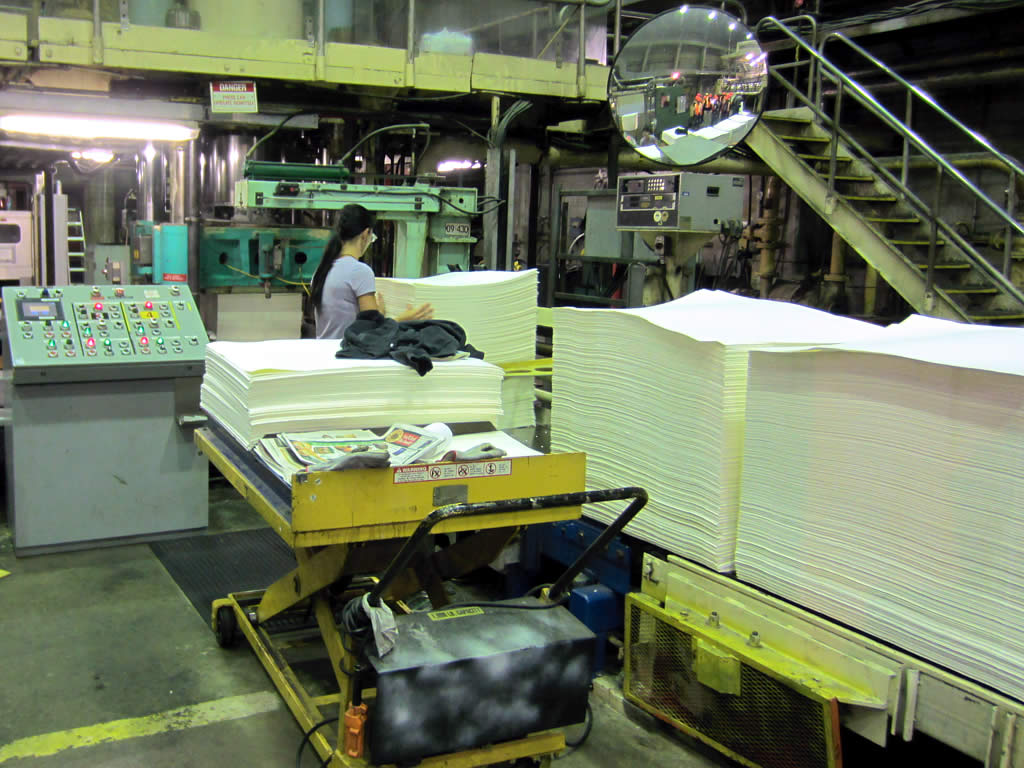
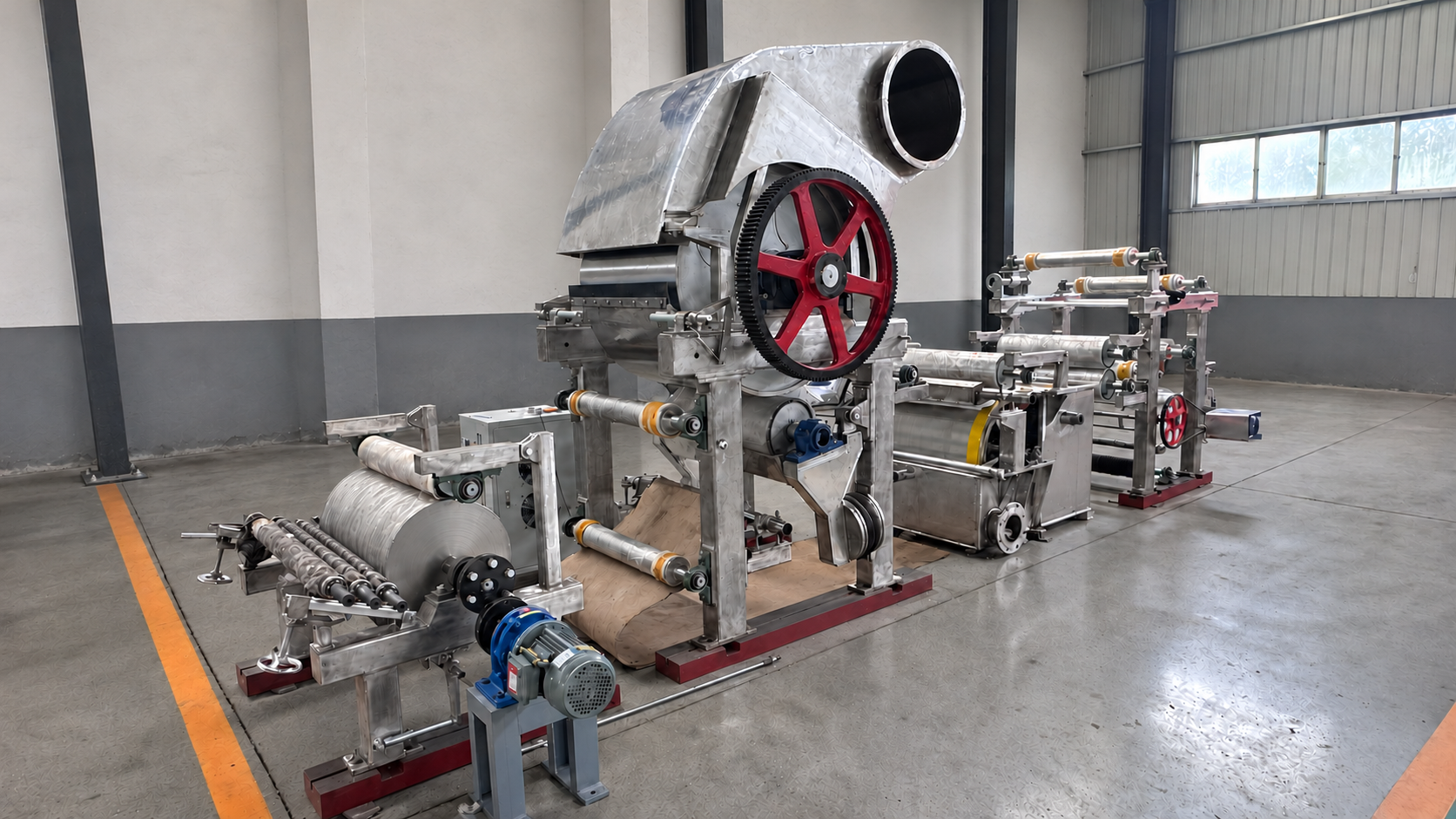
BANNOR’s 600 mm mini tissue paper machine combines cylinder-mold forming, single-cylinder drying and continuous reeling for papermaking teaching and trial work. The configuration is intended for wood pulp and tissue paper, with a paper width of 600 mm.
For universities and technical training facilities, this small tissue paper machine presents forming, drying and reeling as a connected papermaking process. The specifications below help assess its suitability for the planned teaching or tissue trial work.
Discuss Your Teaching Machine Project
Key Specifications
| Item | 600 mm configuration |
|---|---|
| Raw material | Wood pulp |
| Paper grade | Tissue paper |
| Paper width | 600 mm |
| Basis weight | 15–30 g/m² |
| Operating speed | 15–25 m/min |
| Forming method | Cylinder mold |
| Drying section | Single dryer cylinder with electromagnetic heating |
| Output | Continuous tissue web wound into a roll |
These reference specifications describe the 600 mm configuration. Operating conditions depend on the pulp, target basis weight and trial requirements. The equipment scope is defined in the project quotation.
From Pulp to a Continuous Tissue Web
Prepared wood-pulp stock is formed into a wet web on the cylinder mold. The machine combines the forming section with a felt system, a single dryer cylinder and a reeling section to produce and collect a continuous tissue web.
| Main section | Function in the process |
|---|---|
| Cylinder mold and vat | Form the wet fiber web from the supplied pulp stock. |
| Couch roll and felt system | Support wet-web transfer and handling before drying. |
| Single dryer cylinder | Dry the web using the heated cylinder. |
| Reeling section | Collect the dried tissue web as a continuous roll. |
Teaching with a Continuous Paper Web
Teaching sessions can follow the material from pulp stock to a wet web and then to a wound tissue roll. This helps instructors relate each machine section to its role in sheet formation, water removal and web handling.
The mini paper machine uses variable-frequency drive control for speed adjustment. Exercises involving changes to operating conditions should follow a defined procedure, with sampling and measurement requirements set for the teaching task.
Equipment Scope and Installation Planning
A teaching line needs a matched arrangement for pulp preparation, stock supply and the papermaking section. When planning the equipment scope, identify which supporting equipment is already available and which items need to be included.
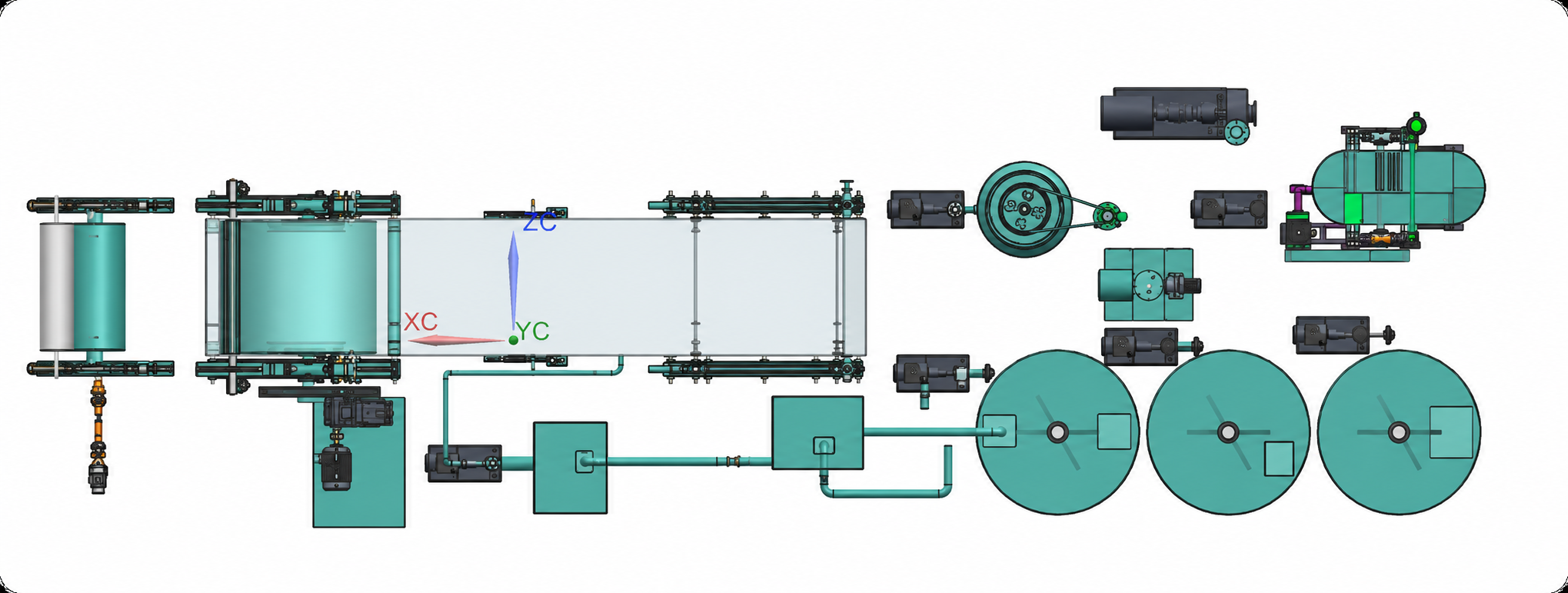
The scope review should cover pulp preparation and refining, stock storage and agitation, stock transfer, and machine auxiliaries. This lets the quotation identify the main machine, supporting systems and customer-provided facilities for the particular installation.
For installation, provide the proposed layout and available electrical supply, water, drainage and ventilation. Include operating access, maintenance space and the institution’s supervision and guarding requirements in the technical review.
For a broader introduction to laboratory and pilot-scale papermaking, see our pilot paper making line overview.
Frequently Asked Questions
Is this a continuous paper machine or a handsheet former?
It is a continuous paper machine. The cylinder-mold forming section, dryer and reeling section produce and collect a continuous tissue web. A handsheet former produces individual sheets in separate forming cycles.
What pulp and paper grade is this configuration intended for?
The 600 mm configuration described here is intended for wood pulp and tissue paper, with a basis weight of 15–30 g/m². For a different pulp or paper grade, provide the material and target properties for technical assessment.
How is the dryer heated?
The single dryer cylinder uses electromagnetic heating. Electrical supply and the utilities for the complete equipment scope are addressed during project planning.
Does the machine produce finished retail tissue rolls?
The output described on this page is tissue paper wound into a roll at the reeling section. Finished tissue products require downstream converting and packaging operations, which should be specified separately.
Plan Your Teaching Machine Project
Send BANNOR your teaching or trial objectives, pulp information, target basis weight and installation location. Please also indicate whether you need the papermaking section or a wider equipment scope that includes stock preparation.
These details provide the basis for reviewing the configuration and preparing a project quotation.