
BANNOR supplies rubber coated rollers with nitrile rubber (NBR), fluoroelastomer (FKM), silicone rubber, polyurethane (PU) and EPDM covering options. The covering forms the working surface that contacts your process material. Its selection needs to match the contact medium, operating temperature, load, speed and required surface finish.
For a new or replacement roller inquiry, send your drawing and operating requirements. These details help define the covering material, finished dimensions and supply scope for your application.
Roller Covering Materials
Choosing industrial rubber rollers starts with understanding what the surface must do. Material names provide a starting point; the compound and operating conditions determine whether a covering is suitable for the job.
| Covering option | Selection focus | Information to provide |
|---|---|---|
| Nitrile Rubber (NBR) Rollers | Applications where oil contact and wear influence material selection. | Oil or fluid type, additives, concentration, temperature, exposure time and cleaning conditions. |
| Fluoroelastomer (FKM) Rollers | Applications involving heat and chemical exposure. | Process and cleaning chemicals, concentrations, continuous and peak temperatures, and contact duration. |
| Silicone Rubber Rollers | Applications where temperature cycles and surface behavior are important. | Contact material, operating and cleaning temperatures, mechanical load and required surface characteristics. |
| Polyurethane (PU) Rollers | Applications where wear, tear resistance and mechanical loading are key considerations. | Load, speed, contact material, moisture, process fluids and any existing wear pattern. |
| EPDM Rollers | Applications where water, moisture, weathering or chemical exposure influences selection. | Contact media, temperature and cleaning conditions, including any exposure to oils or solvents. |
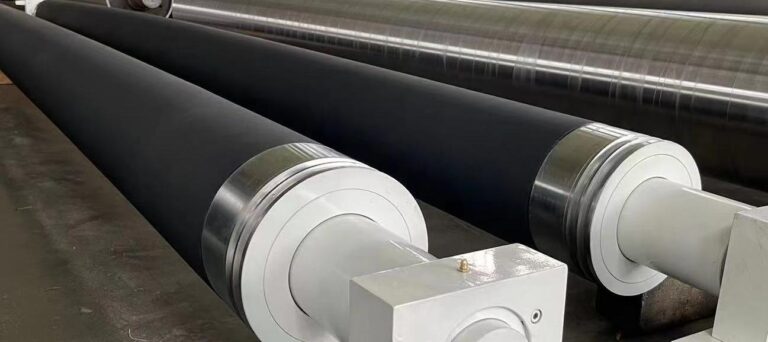

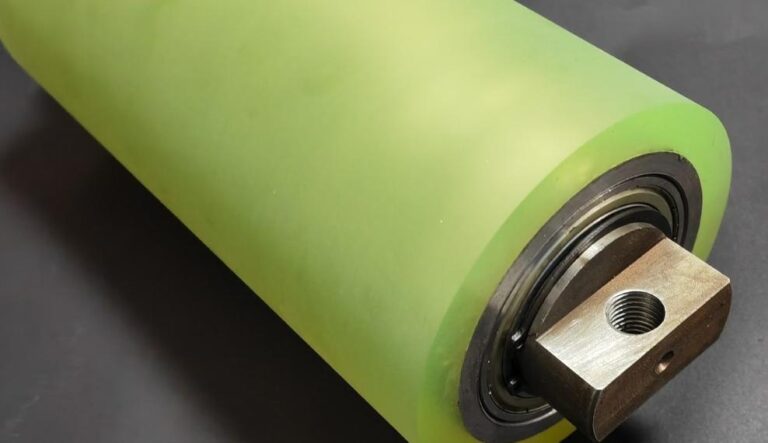
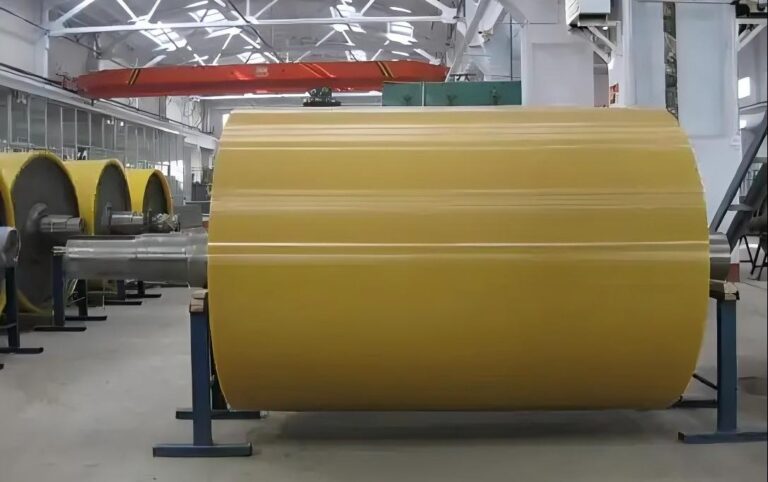
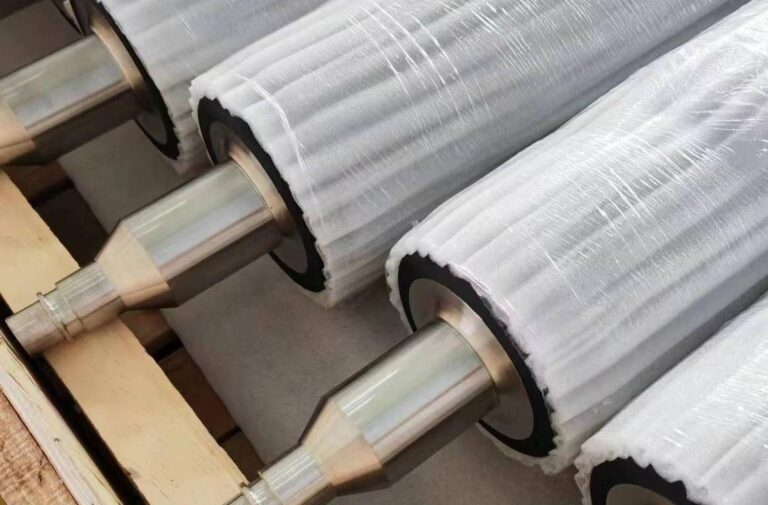
Polyurethane is a separate covering material from NBR and the other rubber options. The choice should follow the actual process requirements rather than a general assumption that one material performs better in every application.
Select the Covering for Your Operating Conditions
A useful roller specification describes both the working surface and its operating environment. When discussing a covering, please include:
- Roller position and task: what the roller contacts and what it needs to achieve.
- Contact materials and fluids: the web, sheet or other material being handled, together with water, oil, chemicals and cleaning agents.
- Temperature: normal operating temperature, peak exposure and any start-up or cleaning cycles.
- Mechanical conditions: running speed, load or line pressure, and operating cycle.
- Existing operating issues: wear, swelling, cracking, slipping or product marking, including when the problem occurs.
These details help narrow the material choice. A temperature range quoted for a polymer family alone is not enough to specify the working limits of a finished rubber covered roller.
Roller Dimensions, Hardness and Surface Requirements
Please identify the required finished dimensions and covering specification on your drawing. If you are replacing an existing roller, its drawing, covering details and operating history provide a useful starting point.
| Specification | What to include |
|---|---|
| Finished outside diameter | The required diameter after covering and finishing, with any specified tolerance. |
| Working face length | The axial length of the working surface. |
| Overall length and mounting details | Total roller length, shaft or journal dimensions, and relevant installation details. |
| Covering thickness | The required covering thickness, clearly distinguished from the finished outside diameter. |
| Covering hardness | The specified value, durometer scale and tolerance, if available. |
| Surface finish and profile | Required roughness and any profile, grooves or other features shown on the drawing. |
Rubber roller hardness should be considered alongside covering thickness, load and the contact material. If a hardness value has not been determined, describe the surface task and share any existing specification for review.
Face length and overall length are different dimensions: face length describes the working surface, while overall length includes shaft ends and other projecting features. For roller body construction and broader roll specifications, see our Paper Machine Rolls page.
Confirm the Technical Requirements Before Ordering
The quotation should identify the covering material, dimensions, parts included and required supply scope. If an existing roller core is involved, provide its material, dimensions and condition, and explain what you require.
Include any specified acceptance values or documentation requirements, such as dimensional tolerances, hardness, covering thickness and surface finish. Where your project specifies runout or balance requirements, provide the applicable values and measurement method so their scope can be reviewed before ordering.
Request a Rubber Roller Quotation
Tell us what the roller needs to do. Share your drawing or available dimensions, required quantity, preferred covering material and operating conditions. Include hardness, thickness, surface and acceptance requirements where these have already been specified.
If some details are unknown, send the information you have, together with photographs or the existing specification. We can then discuss the remaining information needed to define the requirement and quotation.
Frequently Asked Questions
What is the difference between rubber coated rollers and rubber covered rollers?
Both terms can describe rollers with an elastomer working surface over a roller core. A “coating roll” can also mean a roller used to apply a coating. Your drawing, roller position and application help clarify which product you need.
How do I choose between NBR and polyurethane rollers?
Start with the contact medium, operating temperature, load, speed and wear conditions. NBR is an option to consider where oil contact matters; polyurethane is an option where wear and mechanical loading are important. Suitability still depends on the compound and the complete operating conditions.
How should I specify rubber roller hardness and covering thickness?
Provide the hardness value, durometer scale and tolerance from your drawing or existing specification. State covering thickness separately from finished roller diameter. If these values are undecided, describe the application and surface requirements so they can be reviewed together.
Can I select a covering using operating temperature alone?
No. Selection also depends on the contact material, process and cleaning chemicals, loading, speed and duration of exposure. Include continuous and peak temperatures rather than a single maximum value.
Can I inquire without a complete roller drawing?
Yes. Share the dimensions, photographs and operating information you have. Identify any unknown details, particularly shaft dimensions, covering requirements and installation information. Additional information may be needed before the final specification and quotation can be confirmed.

